

How To Achieve Sustainable Economic Growth
In a world marked by economic disparities, achieving sustainable economic growth while addressing poverty remains a crucial challenge. While economic development is vital, it is equally important to ensure that growth is environmentally responsible, socially inclusive, and economically viable over the long term. People experiencing rural poverty, in particular, have unique challenges caused by environmental issues such as deforestation and drought that keep them in a cycle of poverty.
Sustainable economic growth means creating long-term prosperity without using up all of our natural resources or harming future generations. It's not just about short-term gains but also about building a strong economy that benefits everyone, especially those who are most vulnerable. By addressing the root causes of poverty and inequality, sustainable economic growth can help reduce poverty and improve society as a whole.
Promoting Green Technologies and Innovation
Investing in green technologies and fostering innovation is crucial for achieving sustainable economic growth. Governments, businesses, and individuals should encourage research and development in renewable energy, energy efficiency, clean transportation, and sustainable agriculture. Such investments not only reduce environmental impact but also create new industries, generate employment opportunities, and enhance overall economic productivity. For example, rapid urbanization of rural economies holds potential for growth and development. As populations gravitate towards cities in search of better opportunities, it becomes crucial to ensure that this urban growth is supported by sustainable practices, particularly in the realm of clean energy. A prime example of the importance of connecting urbanization with clean energy expansion can be seen in Kenya's electrification efforts. By expanding access to electricity and embracing renewable energy sources, such as geothermal and solar power, Kenya has not only improved the quality of life for its urban population but has also fostered economic growth and reduced environmental impact. This approach has not only provided reliable energy for households and businesses but has also created job opportunities in the renewable energy sector, driving a virtuous cycle of development. By replicating Kenya's success on a broader scale, the rapid urbanization of Africa and other economies can be harnessed as a catalyst for sustainable growth, addressing energy challenges while fostering environmental stewardship.
Transitioning to a Circular Economy
A circular economy aims to minimize waste and maximize resource efficiency by promoting the reuse, recycling, and repurposing of materials. Embracing circular economic models reduces the reliance on finite resources and minimizes environmental degradation. Governments can incentivize businesses to adopt circular practices, while consumers can contribute by choosing products that are designed for durability, repairability, and recyclability.
Sustainable Infrastructure Development
Infrastructure plays a vital role in economic growth. However, it is essential to develop infrastructure that is sustainable, resilient, and compatible with the needs of the future. Investments in renewable energy infrastructure, public transportation systems, efficient water management, and climate-resilient buildings are essential for achieving sustainable economic growth while minimizing environmental impact.
Investing in Education and Skills Development
Prioritizing people is an important factor in economic growth. To achieve sustainable development, we need to invest in education and skills development. By providing quality education, vocational training, and lifelong learning opportunities, communities can equip individuals with the knowledge and skills needed for a holistic economy. This investment not only enhances employability but also fosters innovation and entrepreneurship, driving sustainable economic growth.
Strengthening Social Inclusion and Equality
Sustainable economic growth should prioritize social inclusion and equality. It is essential to create an enabling environment where all individuals, regardless of their gender, age, ethnicity, or socioeconomic background, have equal access to economic opportunities and resources. Policies that promote inclusive growth, such as providing affordable healthcare, decent work conditions, and social safety nets, contribute to sustainable economic development by reducing inequality and enhancing social cohesion.
Fostering Sustainable Agriculture and Food Systems
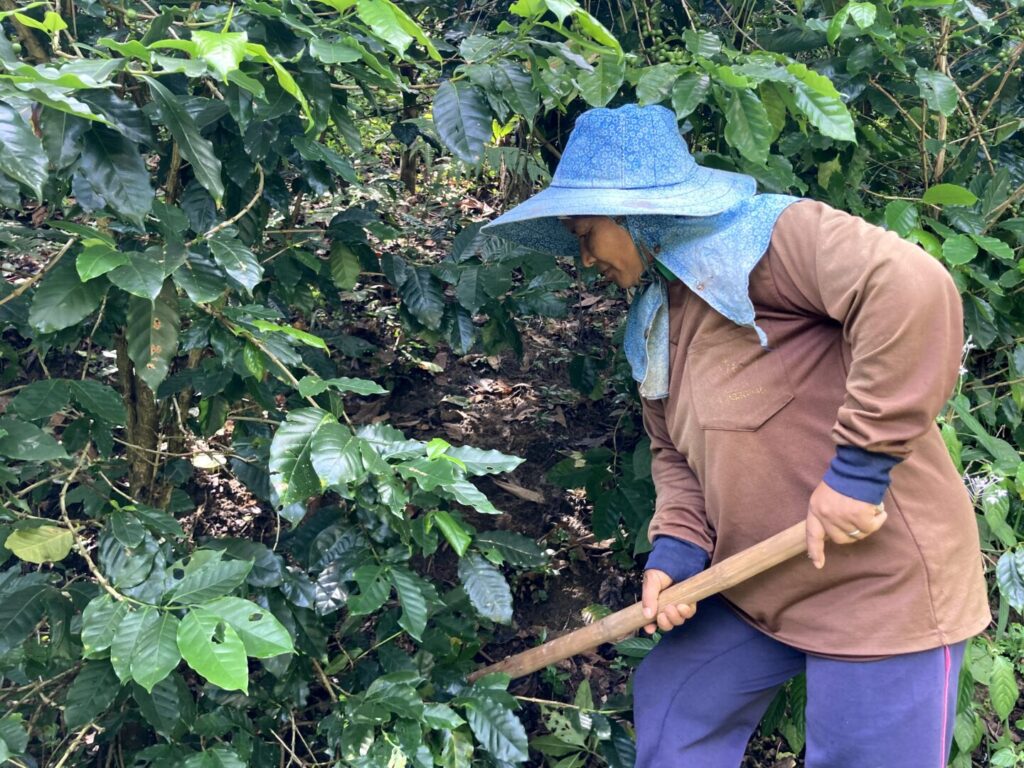
Agriculture and food systems are central to sustainable economic growth. Encouraging sustainable farming practices, promoting agroecology, and supporting small-scale farmers can enhance food security, reduce environmental degradation, and boost rural development. Investing in research and development to improve agricultural productivity while minimizing the use of harmful inputs contributes to sustainable economic growth and protects the natural resource base.
Implementing Effective Environmental Regulations
Environmental regulations and policies play a vital role in achieving sustainable economic growth. Governments should enforce stringent environmental standards, promote responsible resource management, and establish frameworks for sustainable land use and biodiversity conservation. Effective regulations encourage businesses to adopt cleaner production methods, reduce pollution, and prioritize sustainable practices, thereby protecting ecosystems and promoting sustainable economic growth.
Collaboration and Partnerships
Achieving sustainable economic growth requires collaboration and partnerships among governments, businesses, civil society organizations, and international institutions. Like the work being done by Plant With Purpose in global communities, collaboration promotes knowledge-sharing, fosters innovation, and leverages resources to tackle complex sustainability challenges. By working together, stakeholders can develop and implement comprehensive strategies that address economic, social, and environmental dimensions simultaneously.
The rural poor often bear the brunt of poverty's impact. They face limited access to resources, opportunities, and basic services. Sustainable economic growth plays a crucial role in lifting these communities out of poverty by creating income-generating avenues, improving living standards, and reducing dependence on external aid. Plant With Purpose has realized that by equipping people experiencing rural poverty with the tools they need, we can unlock their potential as active contributors to economic growth and build resilient communities.
Key challenges faced by the rural poor

Limited access to resources and opportunities
Rural communities often lack access to essential resources, such as land, capital, and technology, needed for productive economic activities. This restricts their ability to engage in sustainable agriculture, entrepreneurship, and other income-generating ventures.
Environmental degradation and climate change
The rural poor are disproportionately affected by environmental degradation and climate change, which degrade natural resources and disrupt agricultural productivity. These challenges further undermine their economic stability and exacerbate poverty.
Lack of infrastructure and basic services
Inadequate infrastructure, including roads, electricity, and healthcare facilities, limits the rural poor's ability to engage in productive activities, access markets, and improve their quality of life.
Traditional economic growth models have often failed to reach the rural poor in developing countries. These models tend to focus on large-scale industrial development, neglect social services, and overlook the environmental impact of economic development, which disproportionately affects the rural poor. In order to achieve sustainable economic growth that benefits the rural poor, it is necessary to adopt a different approach. This approach should focus on:
Sustainable agriculture: Sustainable agriculture can help to increase food production, improve soil quality, and conserve water resources. This can help to raise incomes for small-scale farmers and improve food security for rural communities.
Rural infrastructure: Investments in rural infrastructure, such as roads, schools, and healthcare facilities, can help to improve the quality of life for rural residents and create new opportunities for economic development.
Social services: Investments in social services, such as education and healthcare, can help to improve the skills and productivity of rural workers and improve their access to markets.
Environmental sustainability: Economic development must be done in a way that protects the environment. This includes reducing pollution, conserving natural resources, and adapting to climate change.
By considering these factors, we can create a prosperous future that balances economic development with environmental responsibility, social equity, and efficient resource management.


