

Community Readiness Assessments Prepare the Way
Over the next year, Plant With Purpose will launch programs focusing on watershed restoration in 9 new areas around the world. This exciting expansion is the result of strategic planning in partnership with the participants of the communities where we hope to work. Exactly how does this happen? It all starts with a watershed.
Our Watershed Restoration Model: The Impact Multiplier
“I'll be the first to admit, when I started working at Plant With Purpose, I had no idea what a watershed was,” said Jared White during our recent interview. Jared is a program officer at Plant With Purpose who has served our international partners for over 10 years.
“Essentially, a watershed is a geographic area where precipitation, whether rainfall or snow, flows into the same outlet, usually a river, lake, or ocean,” said Jared.
We have found that working in watersheds or subwatersheds (a smaller area within a watershed) is the best way for us to make a long-term and significant conservation impact within a country. Every watershed represents a network of relationships that are contained within a natural boundary.
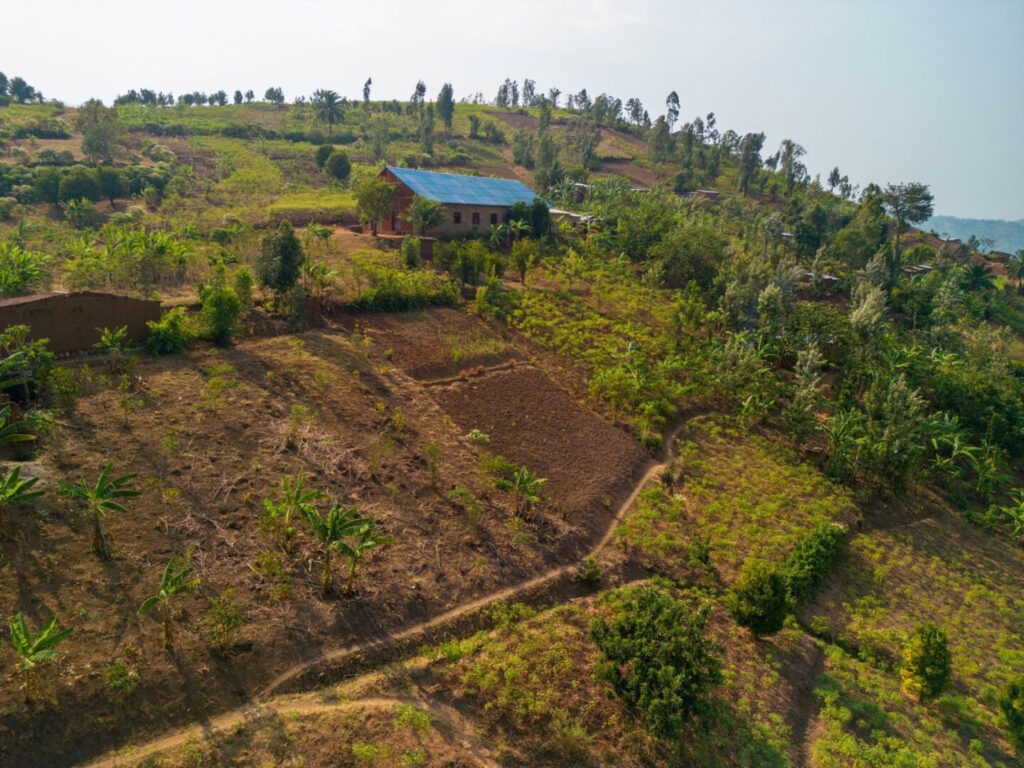
Slope. Deforestation. Poverty.
“Watersheds are manageable areas that are specifically connected ecologically, economically, and culturally. It’s like a big community,” said Jared. “We are not just thinking about people but their relationship to everything within the watershed.”
We typically work in watersheds that are about 300 square kilometers, roughly the size of the city of San Francisco.
When you look at a country like Tanzania, for example, a watershed is a tiny spec amidst the vast portion of the country that needs restoration. With such a large area in need of our conservation work, how do we choose where to start, given the small land area that we’re aiming for?

The Community Readiness Assessment: Inviting People into the Process
Determining where to work is a multistep process. “To choose where we work, first we use remote sensing data and opportunity mapping. We use an opportunity index made up of three things: poverty, deforestation, and landscape,” said Jared. “We specifically look for high concentrations of these factors among rural farming families. When I say landscape, I mean very sloped land and mountainous terrain.”
Once we use those overlapping factors to determine a region, we work with local partners to define a handful of watersheds to assess. Then we enter into a Community Readiness Assessment (CRA). A CRA is a process by which we determine whether our model of local partnership will be successful for a particular watershed. After many years of honing this process, it’s become a key part of the work we do.
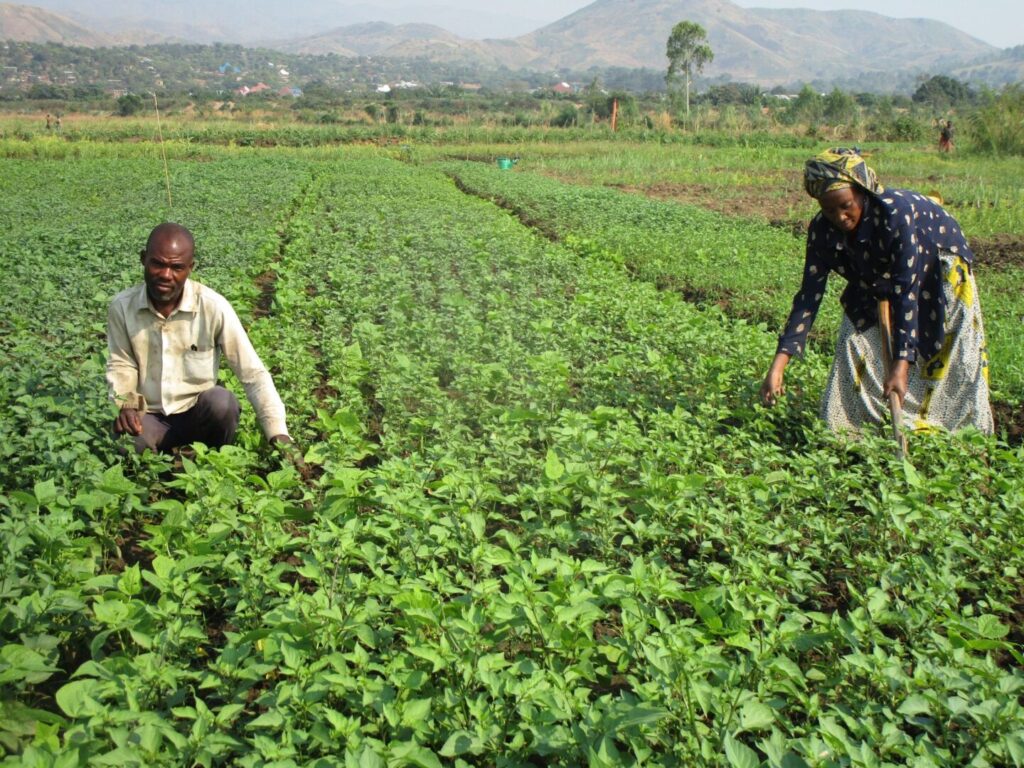
The Next Chapter of the Story
“It’s not just an assessment; it’s the first step in the change process,” said Jared. During the CRA, a local leadership team runs a workshop to determine all the factors involved. “We use an asset-based approach. We also address their relationship with the environment, helping them understand the long-term impact of deforestation on soil retention and climate. We are assessing how ready they are to use their assets to create change in their household and their whole watershed.”
Compared to just dropping a pin on a map and starting the work, running a CRA is a serious investment of time, leadership, and resources for both Plant With Purpose U.S. and the local teams in the community. We’ve found that this high investment pays off over time. With a full picture and community buy-in in advance, we can determine where we will have the greatest impact using data from 40 years of watershed restoration work.
“I'm excited because we are entering the next chapter of the story,” said Jared. "We've been implementing the watershed model for about 10 years and have learned a lot. This next year, we are ready to grow based on the data points we've collected."
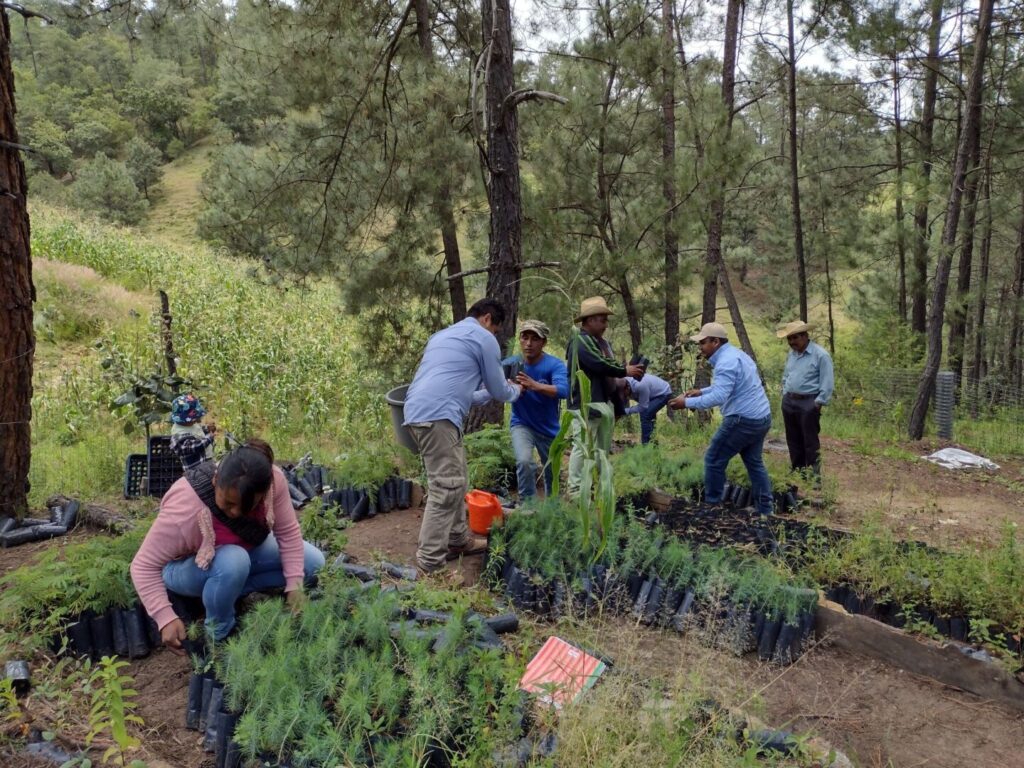
What does it look like when Plant With Purpose begins work in a community? Lucrezia reflects on her experience in one of our newest watersheds in Chiapas, Mexico.
At first, she was cautious. “The idea of strangers coming to form groups with my neighbors and acquaintances was unfamiliar,” she said. “Yet as I listened more, I was intrigued by what they had to say.” Lucrezia caught the vision of a group working together to improve their lives. She reflected on the conditions in her community. Money was scarce, opportunities were limited, and food insecurity was a constant worry. When she learned about Purpose Groups, she shared with friends and neighbors. She encouraged them to join, highlighting that by working together, they could improve their way of life. Today, Lucrezia’s life has changed. “I have been able to see the results of my efforts and those of my group. We have learned how to care for the environment, how to take care of my finances, and, above all, how to honor God through what surrounds us. My greatest hope is that I can achieve my dreams, that my family stays together, and that I enjoy good health.”
Over the next 12 months, Plant With Purpose will bring hope to more people like Lucrezia by expanding our work into 10%–20% more watersheds across the countries we serve. This expansion comes with significant investments of time and resources and is powered by decades of experience, strategic leadership, and thoughtful investment. Our team carefully assesses the greatest needs across the globe, takes deliberate action, and transforms lives, one watershed at a time.


